February 7, 2026 | www.gospelofjesuschrist.blog | River Wilde
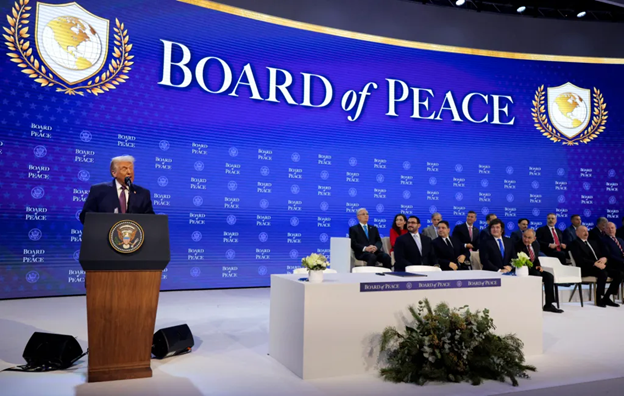
Later this month — on February 19, 2026 — leaders from around the world are set to gather in Washington, D.C. for the inaugural meeting of the Board of Peace. What exactly this group will talk about is already starting to take shape, even though the official agenda hasn’t been published yet. Here’s a closer look at the key topics we expect to come up.
1. Reconstruction of Gaza
At the top of the agenda will almost certainly be plans to rebuild Gaza. The Board of Peace was initially launched as part of a U.S.-led effort to stabilize the territory after years of conflict, and the upcoming meeting is expected to double as a major fundraising event for reconstruction work. International leaders will discuss financial commitments, infrastructure rebuilding, humanitarian needs, and how to coordinate these resources effectively.
2. Funding and Financial Commitments
One of the most provocative aspects of this initiative is the cost of membership — reportedly up to $1 billion for a permanent seat on the board. It’s highly likely delegates will debate funding levels, who contributes what, and the structure of financial obligations going forward. How funds are raised and managed — especially in the context of ongoing global economic stress — will be a crucial topic.
3. Governance and Administrative Structure
The Board isn’t just about money: it’s also meant to coordinate governance, security, and redevelopment in Gaza. Participants may discuss how decision-making structures will work, what powers the executive committee will have, and how this new international body should interact with existing institutions like the United Nations and local civil authorities.
4. Global Peace and Conflict Resolution
Although Gaza is the immediate focus, senior figures involved with the Board of Peace have suggested its mandate could expand beyond the Middle East to other global conflicts and crises. We can expect early discussions about what that broader role might look like — especially how this body fits into or challenges traditional diplomatic forums like the UN Security Council.
5. Participation and International Support
Not every invited leader has agreed to join or even attend. Some Western allies have been skeptical or outright declined to participate, while others — including Hungary and several Middle Eastern nations — have signaled interest. Delegates are likely to address who’s at the table, and who isn’t, and what that means for the board’s legitimacy and effectiveness moving forward.
6. Security, Ceasefires, and Peacekeeping
Even with a ceasefire in place in Gaza, violations and tensions continue. Discussions at the meeting will probably include security arrangements tied to peacekeeping — how to protect civilians, coordinate with local forces, and ensure aid can safely arrive throughout the region.
Why This Matters
This meeting isn’t just another conference room talk. It’s a major test of whether the Board of Peace can move from a headline into a functioning international body with real-world impact. Its decisions could influence not only Gaza’s reconstruction but how future peace and security efforts are funded and governed across the world.
Watch for how leaders frame the Board’s purpose — whether as a tool for genuine collaboration and relief, or as a new power node in global politics. Either way, the Feb. 19 meeting is an important moment in international affairs.
And, for those of us who are interested in the Board of Peace’s involvement with the signing of the 7-year peace agreement, as referred to in the Book of Daniel, we will be keeping a close watch on how things develop, with that target in mind.
Discover more from The Gospel of Jesus Christ
Subscribe to get the latest posts sent to your email.

